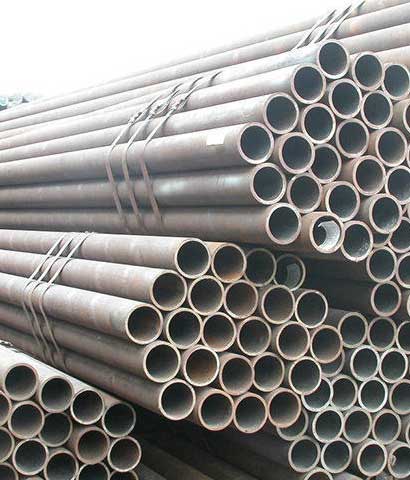
Tubewell Steel & Engg. Co. is a leading manufacturer and stockist specializing in Alloy Steel Pipes, Tubes, Fittings and Flanges for critical industrial applications.
1.25% Chromium – 0.5% Molybdenum pressure vessel plates in Class 1 and Class 2 for boilers, drums and high-temperature process equipment.
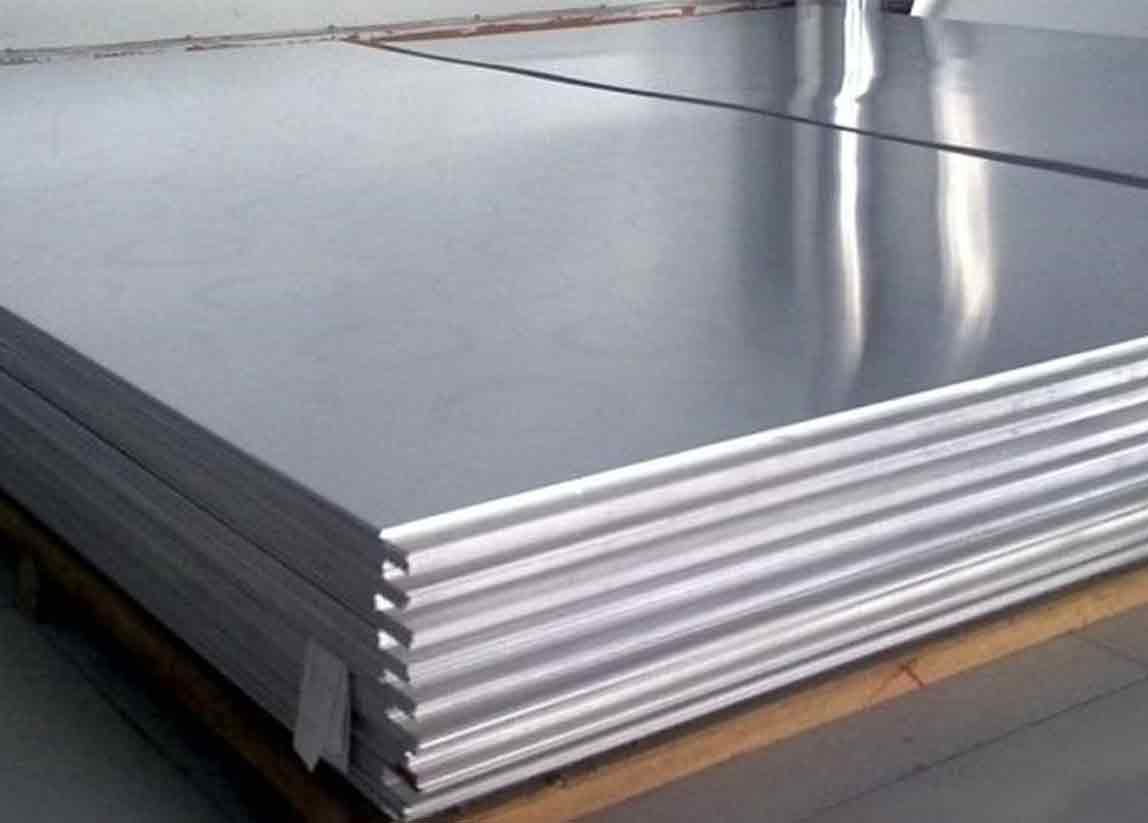
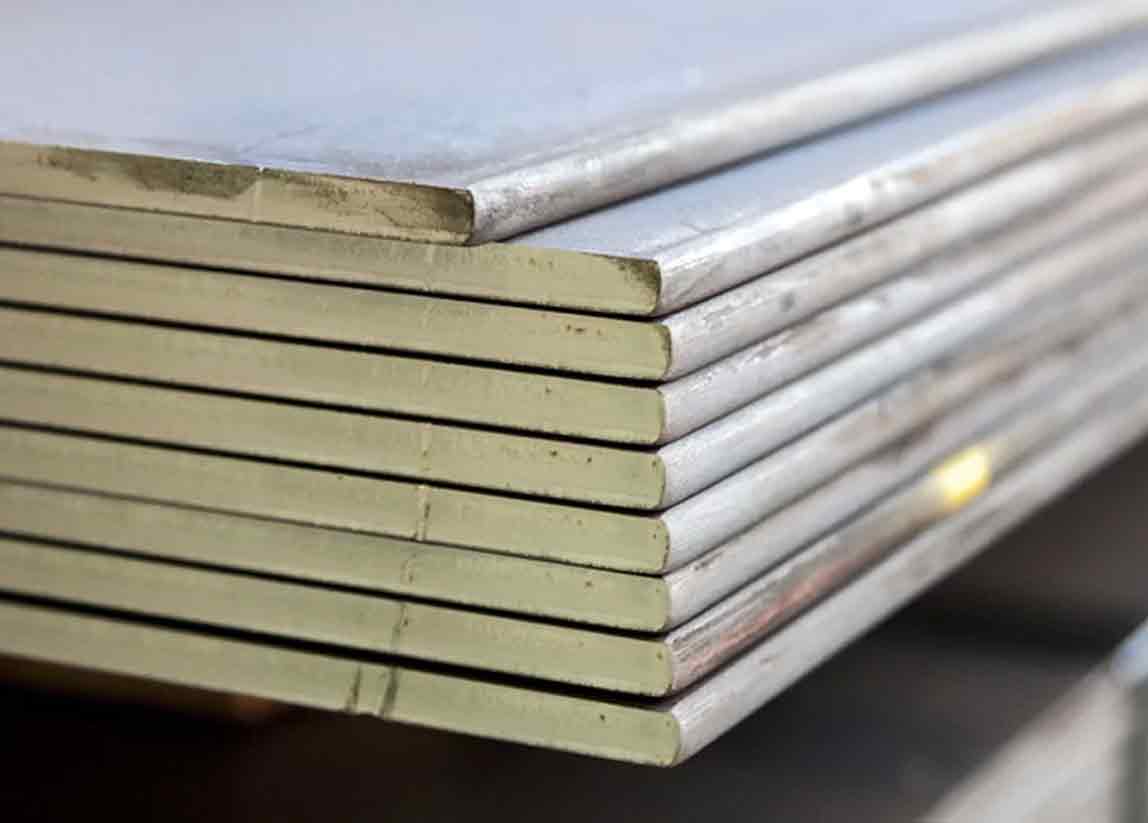
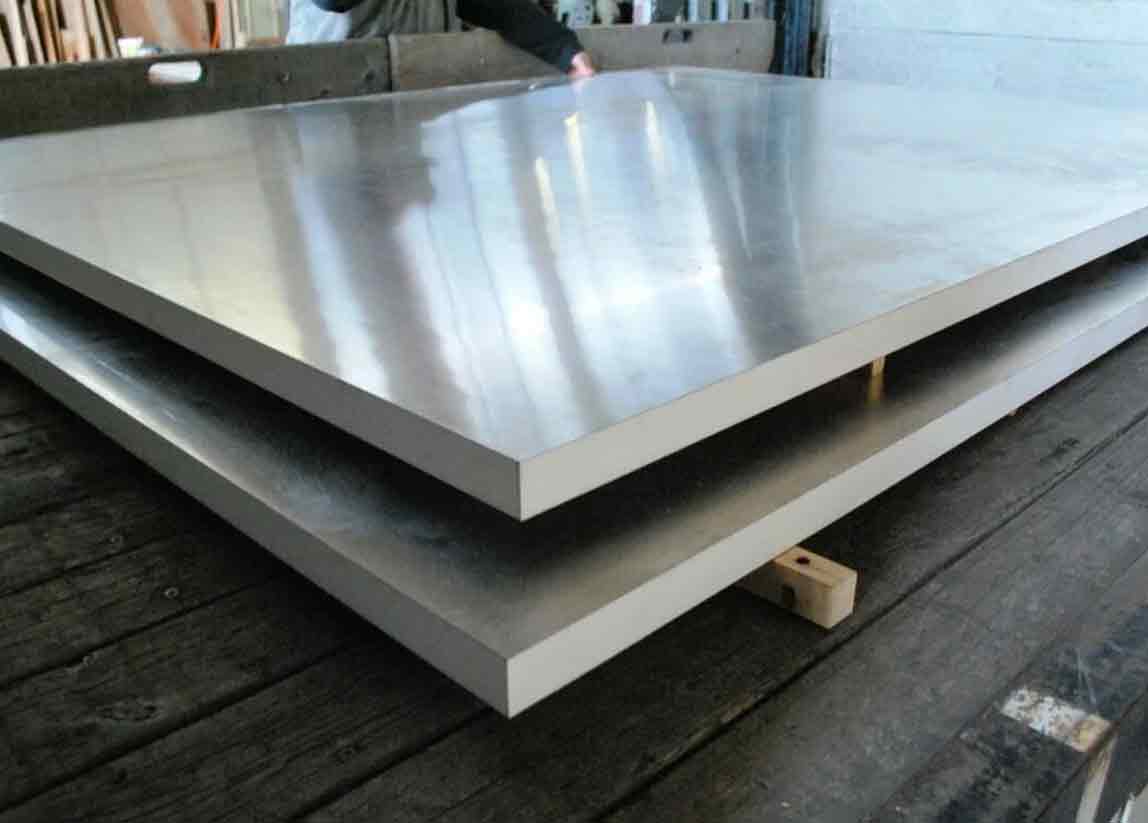
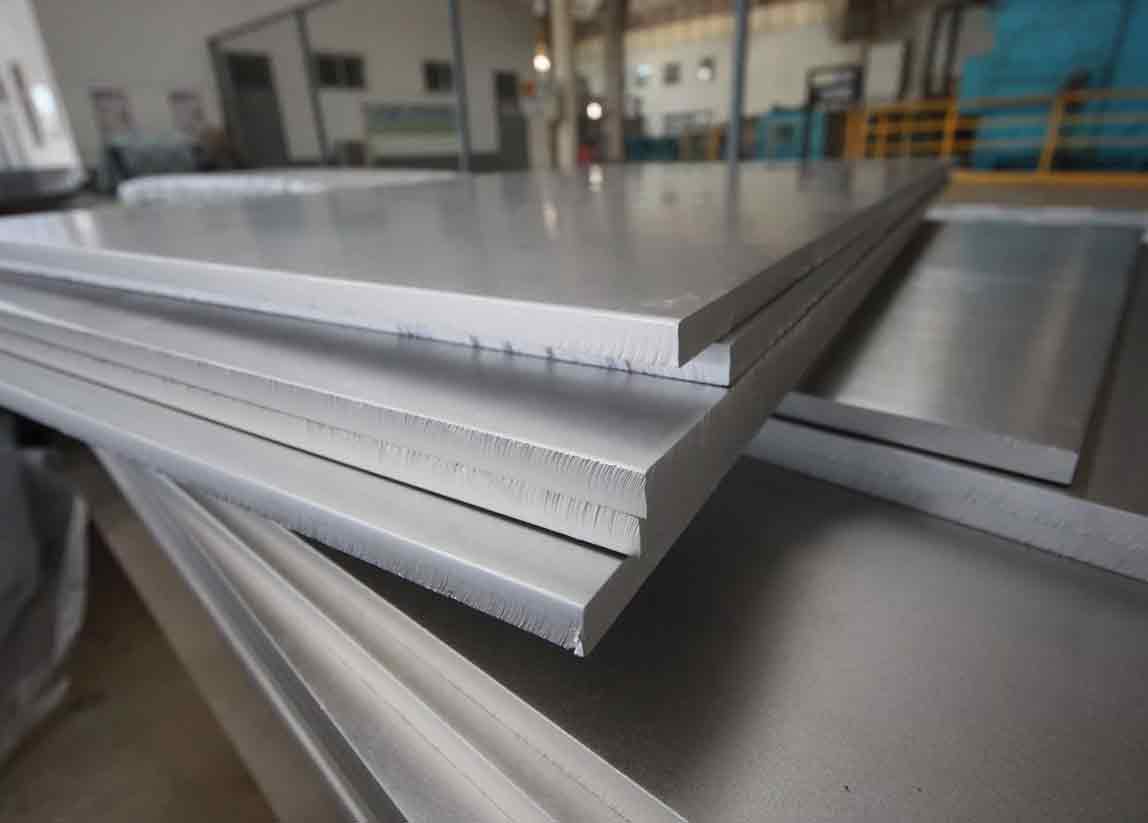
Tubewell Steel & Engg. Co. is a stockist and supplier of ASTM A387 Gr 11 plates in Mumbai, India. Grade 11 is a 1¼Cr-½Mo-Si pressure vessel steel with good creep strength, oxidation resistance and weldability, widely specified for boilers, drums, heat exchangers and refinery vessels.
Why A387 Grade 11 is the workhorse chrome-moly plate grade
ASTM A387 Grade 11 is a chromium-molybdenum alloy steel plate containing nominally 1.25% chromium, 0.5% molybdenum and 0.50–0.80% silicon. Chromium and silicon improve resistance to oxidation and sulphidation, while molybdenum gives creep and rupture strength at elevated temperature. The grade is used for welded boilers and pressure vessels operating up to about 595°C (1100°F), depending on the design code.
Grade 11 is available in two strength levels. Class 1 has a minimum yield of 240 MPa, while the higher-strength Class 2 requires 310 MPa minimum yield. Plates are supplied annealed, or normalized and tempered, with a minimum tempering temperature of 620°C (1150°F). We stock Gr 11 plates in a wide thickness range, offer cutting to size and supply every plate with an EN 10204 3.1 mill test certificate. Third-party inspection by BV, TÜV, SGS or Lloyd's can be arranged on request.
Standard supply range for ASTM A387 Gr 11 plates
| Parameter | Details |
|---|---|
| Standard | ASTM A387, ASME SA387 |
| General Requirements | ASTM A20 / ASME SA20 |
| Grade | Grade 11 (UNS K11789) |
| Class | Class 1, Class 2 |
| Thickness | 3 mm to 150 mm (higher thickness on request) |
| Width | Up to 2500 mm (3000 mm on request) |
| Length | Up to 12000 mm |
| Forms | Sheet, Plate, Coil, Strip, Circle, Ring, Flat |
| Finish | Hot Rolled (HR), Cold Rolled (CR), Shot Blasted |
| Delivery Condition | Annealed, Normalized & Tempered (tempering min. 620°C) |
| Cutting Services | Plasma, Gas / Oxy-fuel, Waterjet, Shearing, Profile Cutting to Drawing |
| Testing | Tensile, Hardness, Impact, UT (ASTM A435 / A578), PMI, Simulated PWHT |
| Certificates | EN 10204 3.1 / 3.2, IBR (where applicable), TPI Reports |
International equivalents of A387 Grade 11
| Grade | ASTM / ASME | UNS | EN 10028-2 | W.Nr. | JIS G4109 | Nominal Composition |
|---|---|---|---|---|---|---|
| Gr 11 | A387 / SA387 Gr 11 | K11789 | 13CrMo4-5 | 1.7335 | SCMV 3 | 1.25Cr-0.5Mo-Si |
Equivalents are the closest comparable grades; chemistry and mechanical limits are not identical. Please confirm suitability against your design code.
Weight %, heat analysis as per ASTM A387
| Grade | C | Mn | P | S | Si | Cr | Mo |
|---|---|---|---|---|---|---|---|
| A387 Gr 11 | 0.05 – 0.17 | 0.40 – 0.65 | 0.025 max | 0.025 max | 0.50 – 0.80 | 1.00 – 1.50 | 0.45 – 0.65 |
Tensile requirements at room temperature as per ASTM A387
| Grade | Tensile Strength | Yield Strength (min) | Elongation in 50 mm (min) | Elongation in 200 mm (min) |
|---|---|---|---|---|
| Gr 11 Class 1 | 415 – 585 MPa (60 – 85 ksi) | 240 MPa (35 ksi) | 22% | 19% |
| Gr 11 Class 2 | 515 – 690 MPa (75 – 100 ksi) | 310 MPa (45 ksi) | 22% | 18% |
Typical values (for reference)
| Property | Metric | Imperial |
|---|---|---|
| Density | 7.85 g/cm³ | 0.284 lb/in³ |
| Melting Range | 1450 – 1510 °C | 2640 – 2750 °F |
| Modulus of Elasticity | 205 GPa | 29.7 × 10³ ksi |
| Thermal Conductivity (100°C) | 37 W/m·K | 21.4 BTU/h·ft·°F |
| Mean Thermal Expansion (20–300°C) | 12.4 µm/m·°C | 6.9 µin/in·°F |
| Specific Heat | 0.46 J/g·°C | 0.11 BTU/lb·°F |
| Max. Service Temperature | ≈ 595 °C | ≈ 1100 °F |
Plate thickness (mm) vs theoretical weight (kg/m²)
| Thickness (mm) | ≈ Inch | Weight (kg/m²) | 1500 × 6000 mm (kg) | 2000 × 6000 mm (kg) | 2500 × 12000 mm (kg) |
|---|---|---|---|---|---|
| 3 | 1/8" | 23.55 | 211.95 | 282.60 | 706.50 |
| 5 | 3/16" | 39.25 | 353.25 | 471.00 | 1177.50 |
| 6 | 1/4" | 47.10 | 423.90 | 565.20 | 1413.00 |
| 8 | 5/16" | 62.80 | 565.20 | 753.60 | 1884.00 |
| 10 | 3/8" | 78.50 | 706.50 | 942.00 | 2355.00 |
| 12 | 1/2" | 94.20 | 847.80 | 1130.40 | 2826.00 |
| 16 | 5/8" | 125.60 | 1130.40 | 1507.20 | 3768.00 |
| 20 | 3/4" | 157.00 | 1413.00 | 1884.00 | 4710.00 |
| 25 | 1" | 196.25 | 1766.25 | 2355.00 | 5887.50 |
| 30 | 1 3/16" | 235.50 | 2119.50 | 2826.00 | 7065.00 |
| 40 | 1 9/16" | 314.00 | 2826.00 | 3768.00 | 9420.00 |
| 50 | 2" | 392.50 | 3532.50 | 4710.00 | 11775.00 |
| 60 | 2 3/8" | 471.00 | 4239.00 | 5652.00 | 14130.00 |
| 80 | 3 1/8" | 628.00 | 5652.00 | 7536.00 | 18840.00 |
| 100 | 4" | 785.00 | 7065.00 | 9420.00 | 23550.00 |
| 150 | 6" | 1177.50 | 10597.50 | 14130.00 | 35325.00 |
Weight (kg/m²) = Thickness (mm) × 7.85. Values are theoretical; actual weights vary within ASTM A20 thickness tolerances. Standard plate sizes: 1250 × 2500, 1500 × 3000, 1500 × 6000, 2000 × 6000, 2500 × 6000 and 2500 × 12000 mm. Cut-to-size pieces supplied on request.
Where ASTM A387 Gr 11 plates are used
Shells, dished heads and nozzles for moderate-temperature vessels.
Steam drums, headers and boiler casings in power and process plants.
Shells, channels and tube sheets in high-temperature exchangers.
Catalytic reformer and desulphuriser reactor vessels.
Separators, fractionation columns and heater components.
Ammonia and urea plant equipment exposed to hydrogen at temperature.
Quality you can verify on every heat
Large inventory for fast dispatch
MTC EN 10204 3.1 / 3.2
Positive material identification
Pan-India & export shipping
Quick answers about A387 Grade 11 plates
Get competitive pricing, ready stock and complete documentation.